Rajasthan
Rajasthan, located in the northwestern part of India, is a state known for its vibrant culture, majestic palaces, imposing forts, and desert landscapes. Often referred to as the “Land of Kings,” Rajasthan offers a royal and enriching travel experience. Here’s a detailed overview of Rajasthan tourism:
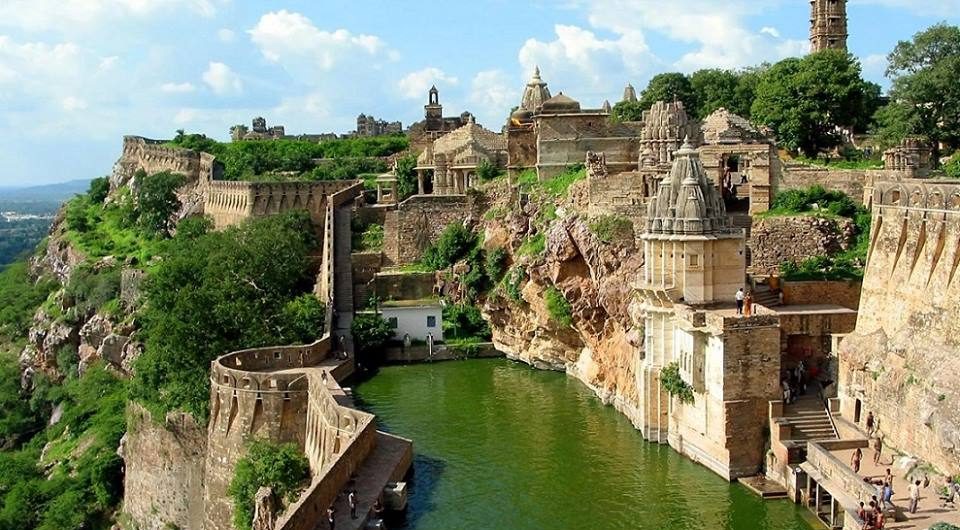
- Forts and Palaces: Rajasthan is home to numerous historic forts, palaces, and havelis, reflecting its rich royal heritage. Some key attractions include:
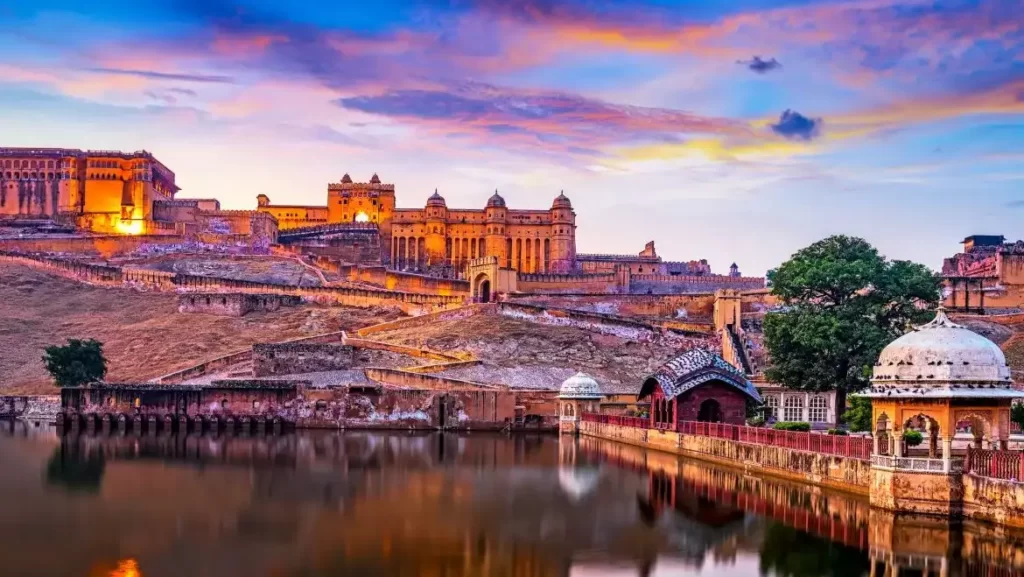
Amer Fort (Jaipur): A magnificent hilltop fort, known for its intricate architecture and stunning views of Maota Lake.
Mehrangarh Fort (Jodhpur): One of India’s largest forts, offering panoramic views of Jodhpur city and housing a museum with royal artifacts.
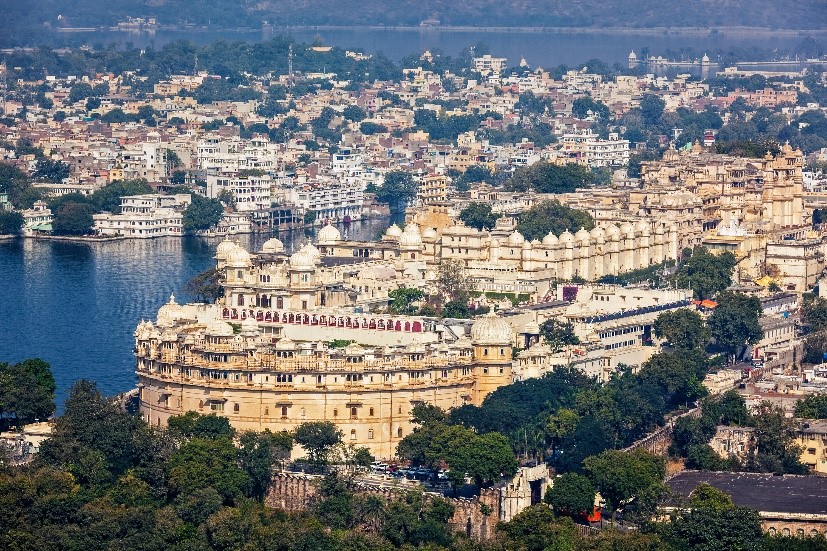
City Palace (Udaipur): An architectural marvel, featuring a series of palaces, courtyards, and gardens overlooking Lake Pichola.
Hawa Mahal (Jaipur): The “Palace of Winds,” known for its distinctive pink facade and numerous small windows.
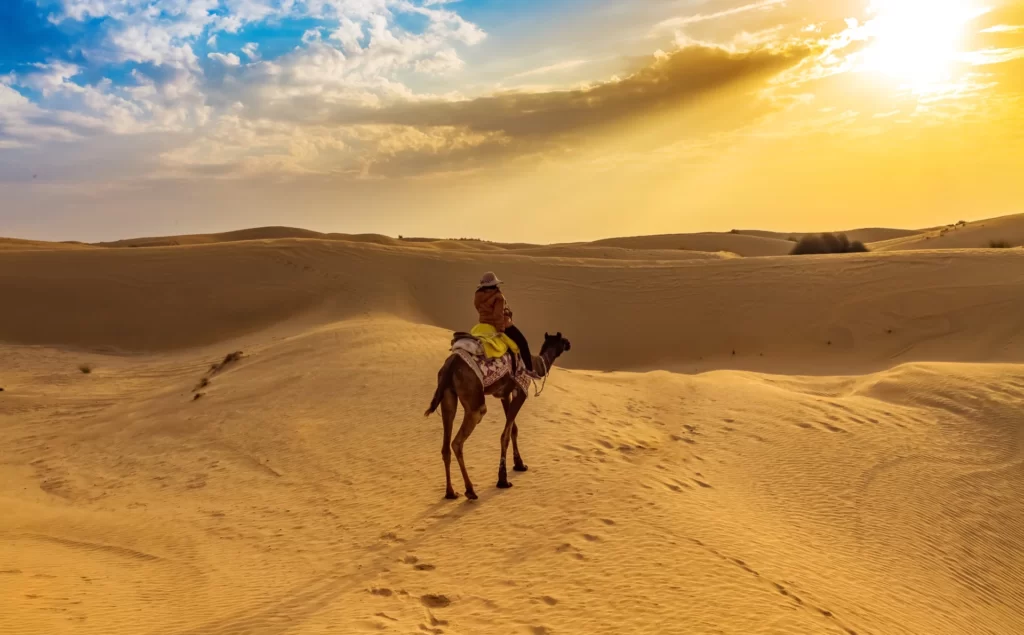
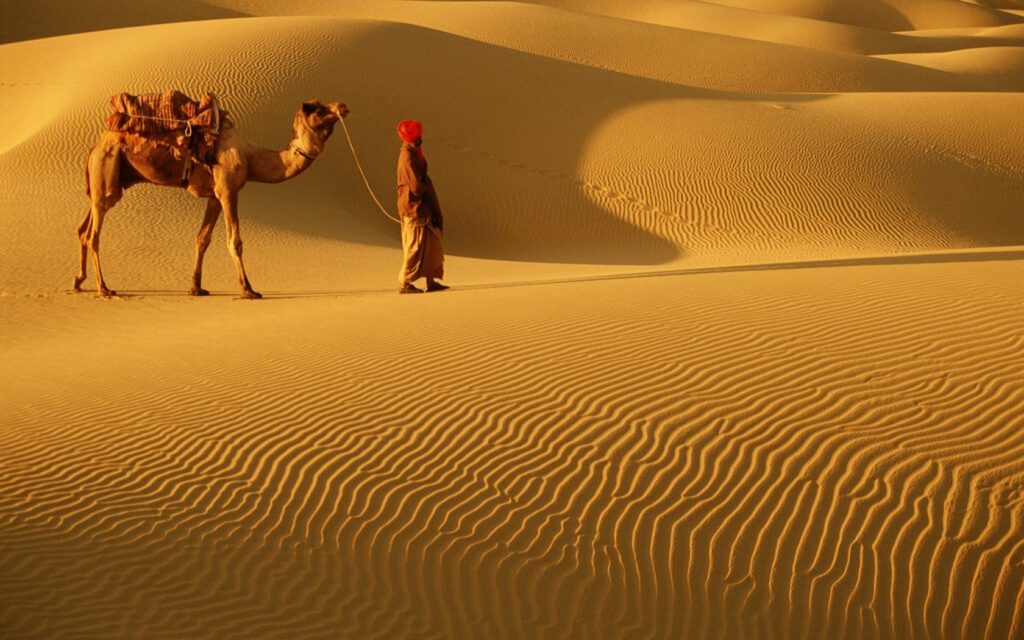
- Desert and Sand Dunes: Rajasthan’s Thar Desert offers a unique experience with its golden sand dunes and desert safaris. Some popular desert destinations include:
Jaisalmer: The “Golden City,” known for its sandstone architecture, camel safaris, and the majestic Jaisalmer Fort.
Sam Sand Dunes: A popular spot near Jaisalmer to experience camel rides and watch the sunset over the dunes.
- Wildlife Sanctuaries and National Parks: Rajasthan is home to diverse wildlife and bird species. Some notable wildlife sanctuaries and national parks include:
Ranthambore National Park: Famous for its tiger population and safari opportunities.
Keoladeo Ghana National Park (Bharatpur): A UNESCO World Heritage Site, known for its migratory bird population.
- Heritage and Cultural Events: Rajasthan’s rich cultural heritage is celebrated through various festivals and events. Some notable ones include:
Pushkar Camel Fair: A vibrant and colorful event, where traders and villagers come together to trade camels and livestock.
Jaipur Literature Festival: One of the world’s largest literary festivals, attracting renowned authors, poets, and intellectuals.
Teej Festival: Celebrated with much enthusiasm by women, with processions, folk performances, and swings.
- Arts and Crafts: Rajasthan is famous for its traditional arts and crafts. Some popular handicrafts include:
Bandhani and Leheriya: Traditional tie and dye techniques used to create colorful textiles.
Blue Pottery: A unique art form with intricate blue patterns on pottery.
Miniature Paintings: Exquisite paintings depicting Rajasthani themes and mythology.
- Cuisine: Rajasthani cuisine offers a delectable array of dishes with rich flavors and spices. Some must-try dishes include:
Dal Baati Churma: A traditional Rajasthani meal consisting of lentil curry, wheat dumplings, and sweet crumbled bread.
Laal Maas: A spicy mutton curry cooked with red chili paste, a specialty of Rajasthan.
Ghewar: A popular sweet made with flour and soaked in sugar syrup.
- Royal Trains: Rajasthan is famous for its luxury trains that offer a royal travel experience. The Palace on Wheels and Maharajas’ Express are two renowned luxury trains that take travelers on a royal journey through Rajasthan’s cities and attractions.
Rajasthan’s regal heritage, desert landscapes, rich culture, and warm hospitality make it a captivating destination for travelers seeking an enchanting and immersive experience. Whether exploring the royal palaces, soaking in the desert tranquility, or indulging in the vibrant festivals, Rajasthan promises an unforgettable journey into India’s royal past.
- Natural Beauty and Biodiversity: The Northeast is blessed with lush green hills, pristine forests, cascading waterfalls, and fertile valleys. Key attractions include:
Kaziranga National Park (Assam): A UNESCO World Heritage Site and home to the one-horned Indian rhinoceros, wild elephants, and various bird species.
Tawang (Arunachal Pradesh): Famous for the Tawang Monastery, one of the largest Buddhist monasteries outside Tibet, and stunning high-altitude landscapes.
Cherrapunjee (Meghalaya): Known as one of the wettest places on Earth, it offers breathtaking views of waterfalls, living root bridges, and the unique double-decker living root bridge in Nongriat village.
Dzukou Valley (Nagaland): A picturesque valley known for its seasonal flowers and trekking opportunities.
Phodong Monastery (Sikkim): A significant Buddhist monastery showcasing traditional Tibetan architecture and Buddhist relics.
- Cultural Diversity and Festivals: The Northeast is home to numerous indigenous tribes, each with its distinct customs, traditions, and festivals. Some prominent festivals include:
Hornbill Festival (Nagaland): A week-long celebration of Nagaland’s tribes, featuring traditional dances, music, and cultural displays.
Bihu (Assam): A series of agricultural festivals celebrated with song, dance, and feasting.
Sangai Festival (Manipur): Showcases the culture, handicrafts, and cuisines of Manipur and the Northeast region.
- Adventure and Outdoor Activities: The Northeast offers an array of adventure opportunities for nature enthusiasts and adventure seekers. Some popular activities include:
Trekking: Explore various trekking trails in the region, such as the Dzükou Valley Trek, Sikkim’s Goecha La Trek, and Arunachal Pradesh’s Tawang Trek.
River Rafting: Experience thrilling river rafting in the Teesta and Siang rivers.
Caving: Meghalaya is known for its numerous limestone caves, offering unique experiences for spelunkers.
- Wildlife and Birdwatching: The Northeast is a biodiversity hotspot, making it a haven for wildlife and birdwatching enthusiasts. Some notable wildlife sanctuaries and parks include:
Manas National Park (Assam): A UNESCO Natural World Heritage Site, known for its tiger and elephant population.
Keibul Lamjao National Park (Manipur): Home to the endangered brow-antlered deer or Sangai.
Nokrek National Park (Meghalaya): A biosphere reserve known for its unique flora and fauna.
Tea Tourism: Assam and parts of the Northeast are known for their lush tea gardens. Visitors can explore tea estates, learn about tea processing, and enjoy scenic tea garden views.
Handicrafts and Local Products: The Northeast region is famous for its unique handicrafts, handlooms, and traditional products. Some popular items include:
Naga Shawls and Handlooms: Colorful shawls and handwoven textiles showcasing intricate designs and patterns.
Bamboo and Cane Products: The region is renowned for its skilled artisans who craft various products from bamboo and cane.
The Northeast offers a captivating blend of natural beauty, cultural diversity, and exciting experiences, making it an ideal destination for offbeat travelers seeking to explore the unexplored. However, due to the region’s varied terrains and diverse climates, it’s advisable to plan the trip carefully and be prepared for changing weather conditions.